


Palm-ID Card.
The Palm-ID Card is accepted internationally because the biometric data is stored on the card.
Extremely safe
Two-factor authentication
GDPR proof
User-friendly
With the Palm-ID Card, you benefit from unique dual security: biometrics and a linked card. The Palm-ID Card combines reliable vein pattern recognition with the proven card reader technology from our partner, deister electronic. The result? The most advanced biometric recognition on the most secure card! This makes the Palm-ID Card fully compliant with GDPR guidelines.
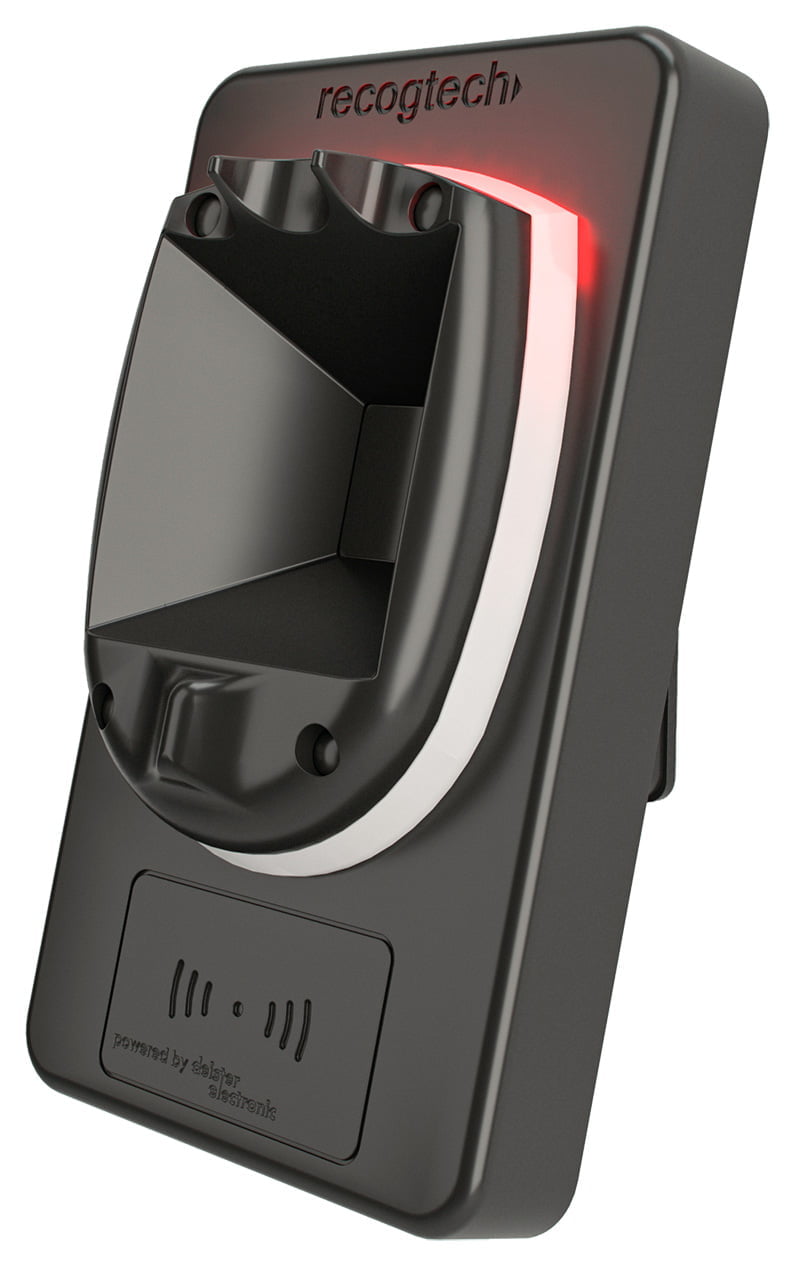
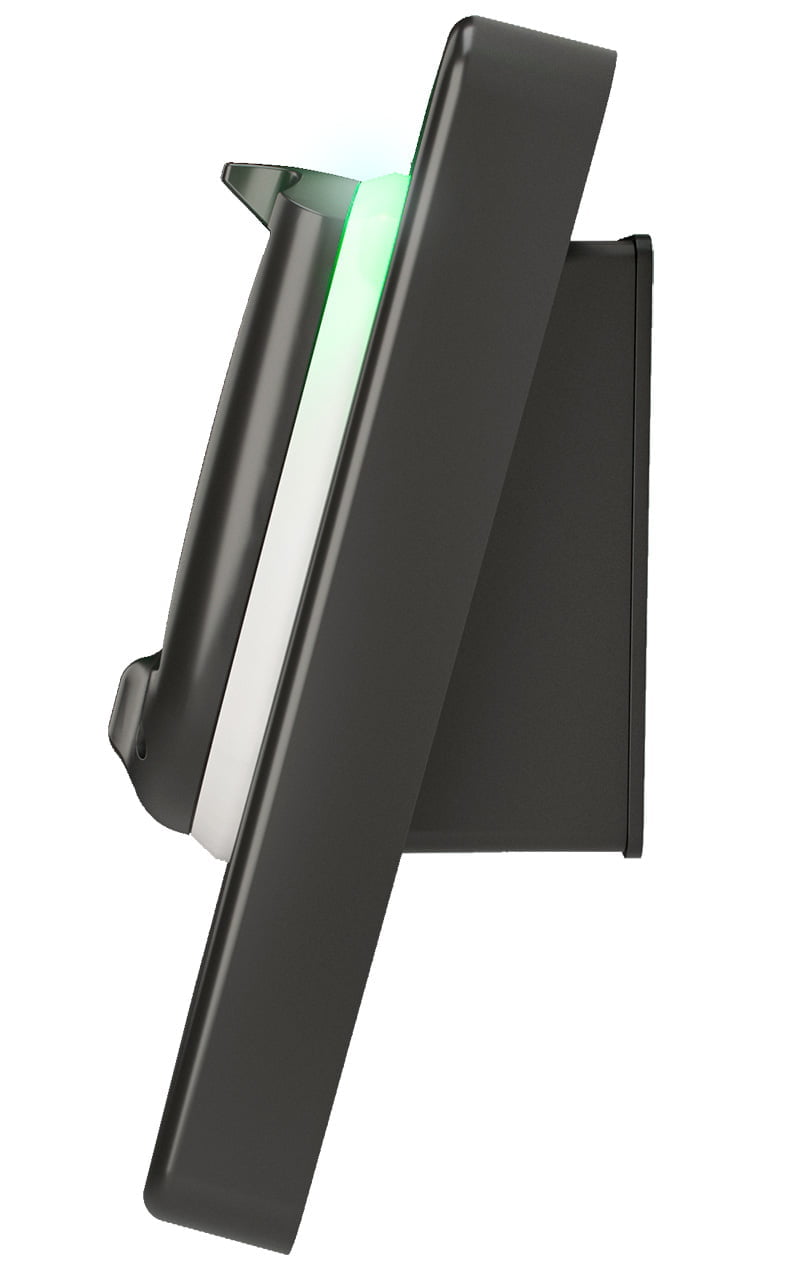
Palm-ID Card parts
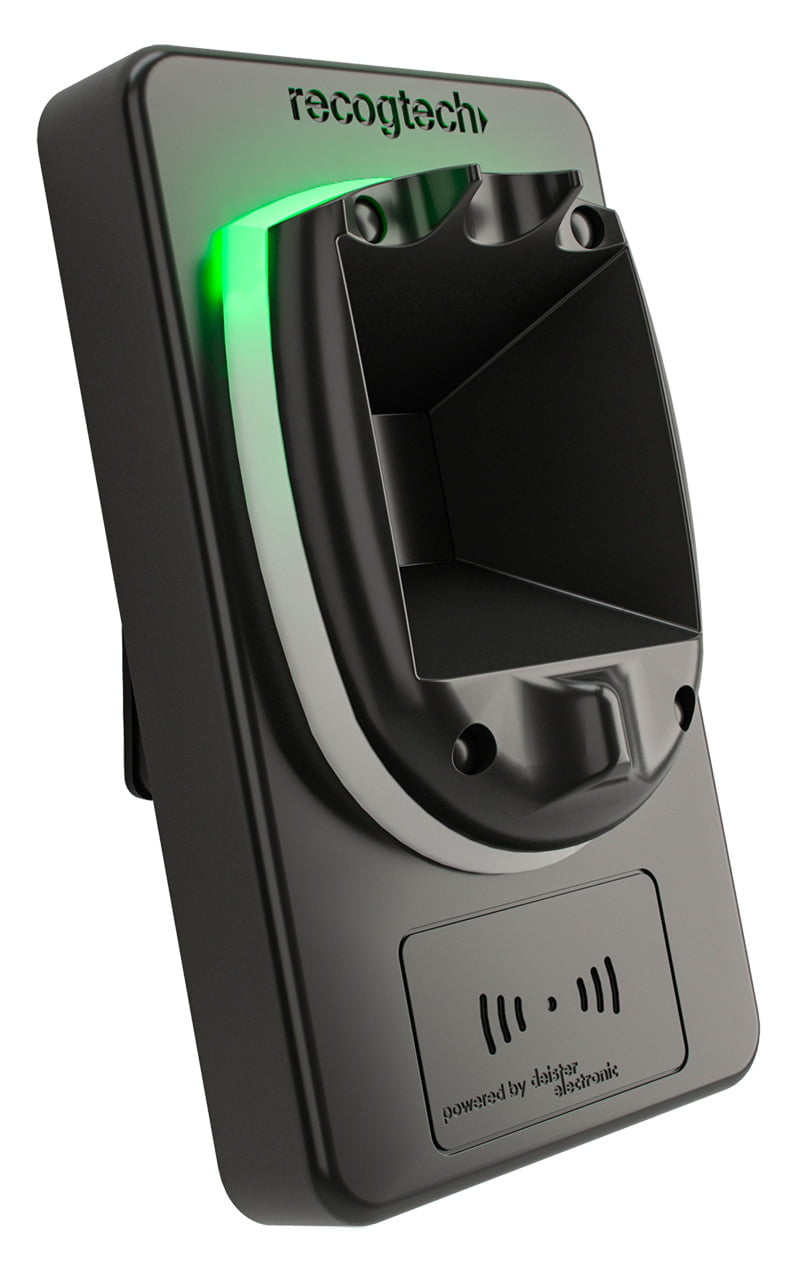
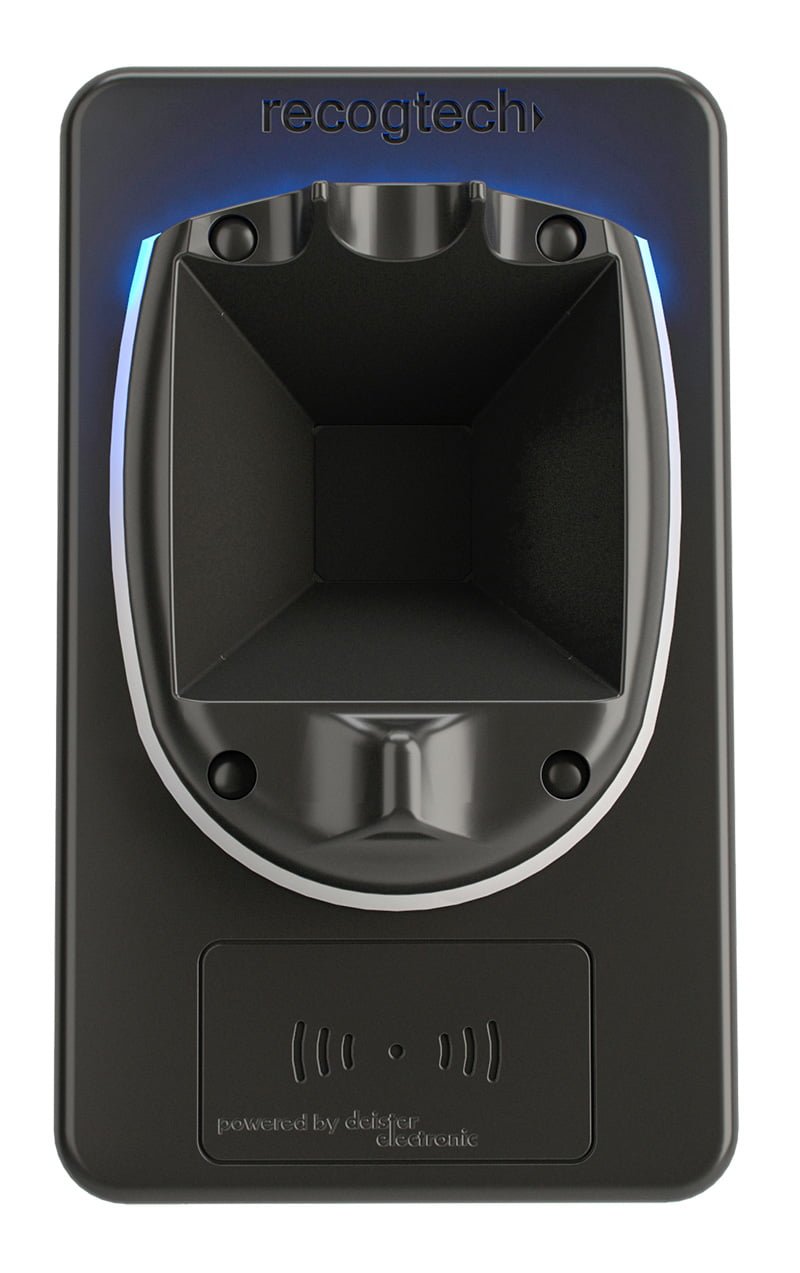
The Palm-ID Card consists of the following components: a palm scanner, a controller, a SIC and a card reader.
The palm scanner then reads the offered palm, and sends it to the controller as a template.
The controller compares the offered, physical palm to the template on the card.
Palm-ID Card accessories
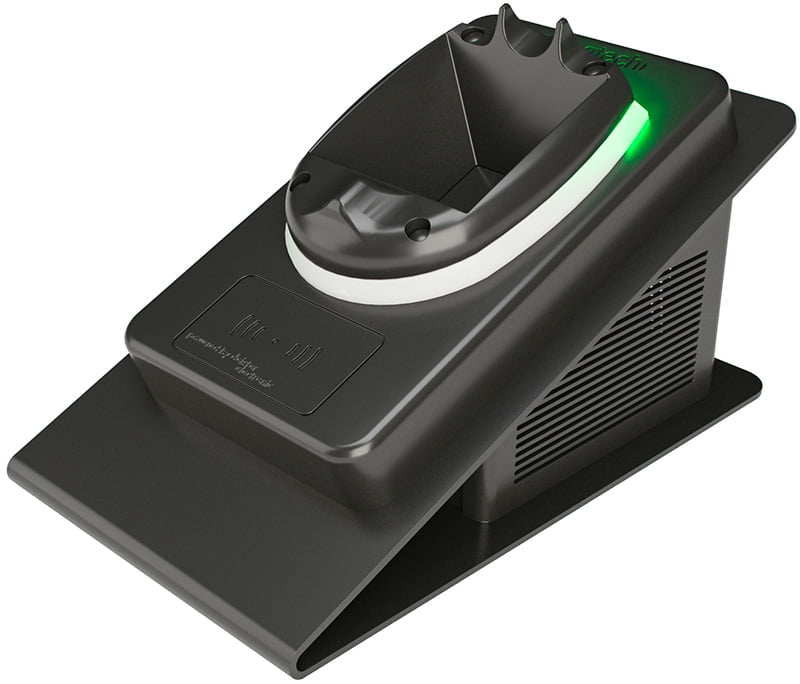
As accessory, amongst others, we offer a Palm-ID registration kit. This tabletop model is easy to transport, and you can register palms on the user card at multiple locations. The pattern is not saved as an image: it is immediately encoded and stored digitally on the card as a registered template.
Installation and implementation
Installation and implementation of Palm-ID-Card is supported by deister electronic and carried out by recognised system integrators and installers with appropriate knowledge of access control systems and security. We support our partners with on-site and remote information and training. We always try to provide a solution that perfectly matches your needs and requirements. If you would like more information or to become a distributor, please contact us.
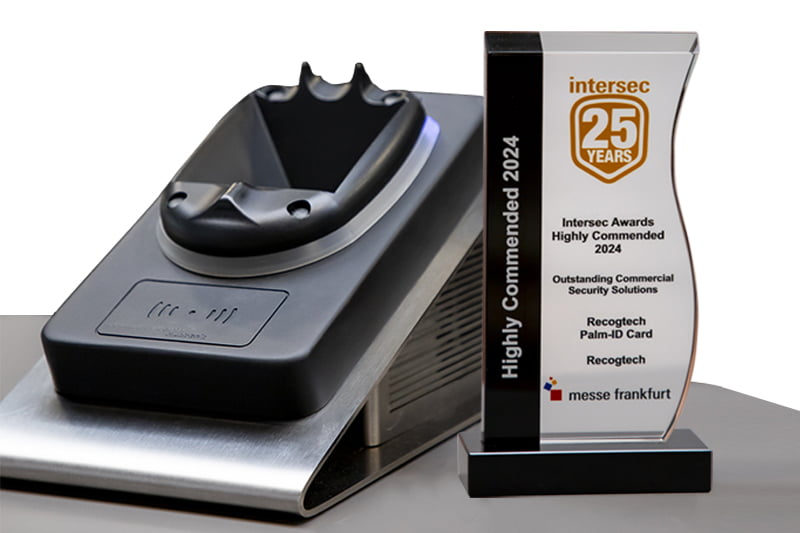
2024 Intersec Award Winner
Recogtech’s Palm-ID Card was awarded the prize ‘Highly Commended’ at the Intersec Expo in Dubai..
Intersec Dubai is a leading international fair with more than 1,100 exhibitors from over 60 countries and attracts more than 43,000 visitors from all regions of the world. Recogtech has won this award in the category ‘Outstanding Commercial Security Solutions’.
Recent articles

The 5 Most Frequently Asked Questions About the Cyber Resilience Act (CRA) in Biometric Access Control
The impact of the Cyber Resilience Act is still often underestimated in practice. The questions we are frequently asked: Who must comply with the CRA? We do not manufacture anything. Why does this concern us? We are not subject to NIS2. Why is this still relevant for...
The EU Cyber Resilience Act (CRA) and Biometric Access Control
The EU Cyber Resilience Act (CRA) and Biometric Access Control With the Cyber Resilience Act (Regulation (EU) 2024/2847), the European Union introduces binding cybersecurity requirements for products with digital elements placed on the EU market. The regulation is...

Why Europe is increasingly moving toward full ownership and control of data
Why Europe is increasingly moving toward full ownership and control of data. Europe is moving toward full data ownership. This may involve data storage within Europe or within an organization’s own infrastructure. Why? Because data stored elsewhere may fall under...